
 Sign up
Feed
Feed and profile visibility
Check public posts, profile modules, captions, discovery surfaces, and feed ordering from target markets.
Verify public social feeds, paid placements, offers, and platform views from the markets your campaign targets.
Social platforms can vary content by country, language, device, carrier context, and app surface. Proxies let marketing and QA teams inspect public social experiences from target locations before campaigns, launches, and localized content go live.
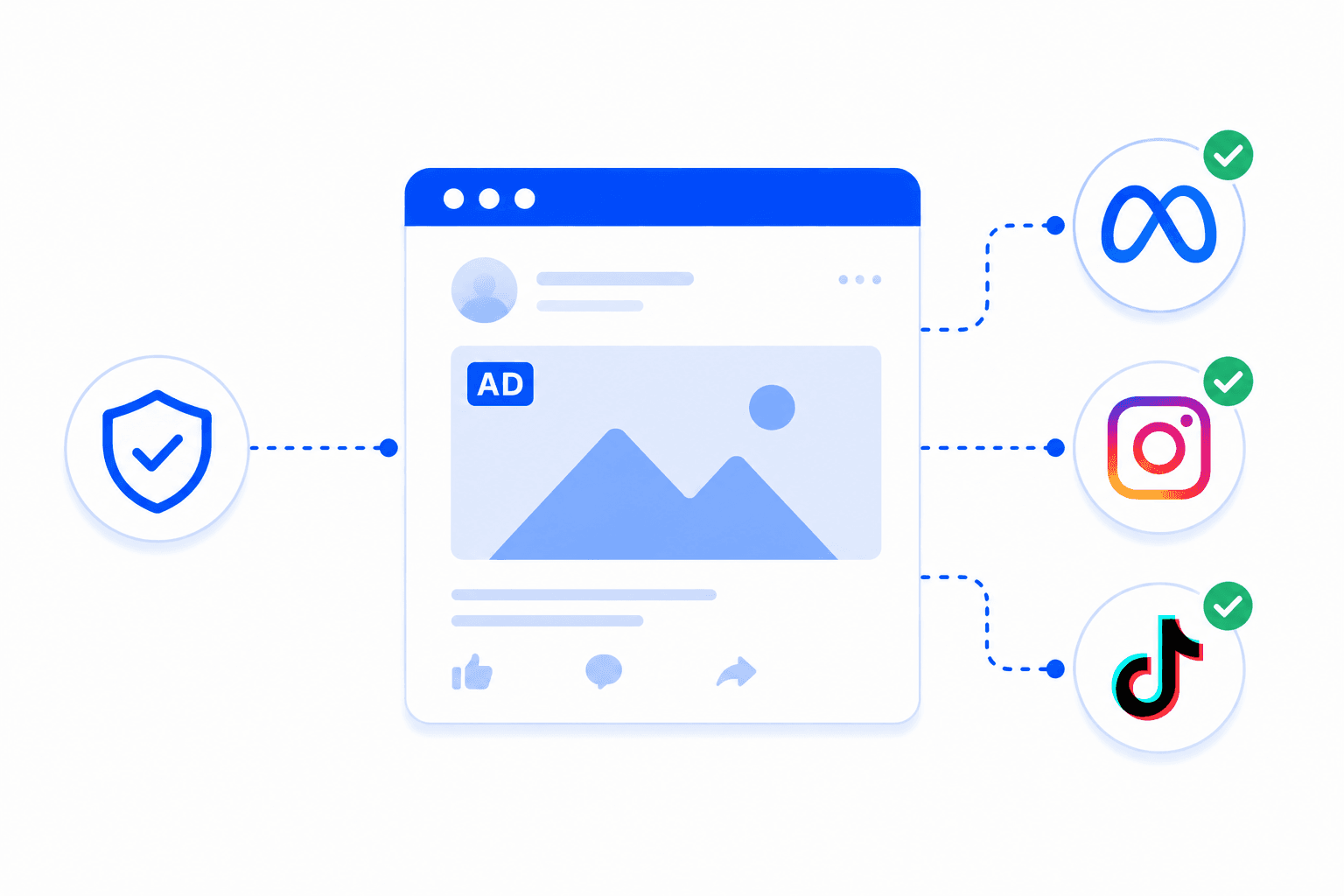
Social media regional content testing checks what public platform users see in each market: feeds, profiles, stories, short video surfaces, paid placements, offers, landing flows, and localized creative. It focuses on platform-specific presentation rather than general website localization, so teams can validate public social campaigns in the regions where they run.
Social regional QA combines feeds, paid placements, mobile presentation, and market-specific creative checks.
Check public posts, profile modules, captions, discovery surfaces, and feed ordering from target markets.
Verify public ad creative, offer visibility, CTA language, and landing flows across regional campaign audiences.
Check whether public short-form content, captions, media availability, and regional restrictions render as intended.
Compare public mobile web and app-like views where carrier context, screen format, and regional routing can change the experience.
Public social experiences can change by market, language, device, carrier, placement, and platform surface. Geo-targeted proxy sessions let teams test those public views without treating one office connection as the experience for every audience.
Review public feed and profile content from the countries where it should appear.
Verify public campaign creative, offer language, placement context, and landing flows.
Compare mobile-first and app-like public surfaces when that context matters to delivery.
Catch missing media, incorrect captions, unavailable offers, and mismatched local presentation.
Feeds, profiles, public posts, ads, stories, short videos, offers, and landing flows.
Mobile or residential proxies route public checks through target markets and network contexts.
Feed, placement, creative, offer, and mobile-view issues by target market.
Social platform QA needs accurate market views, mobile-aware sessions, and repeatable public previews.
Mobile proxies are the strongest fit when public social feeds, app-like views, and carrier-aware regional checks are central to the workflow.
Use them to review public feed visibility, social placements, short-form media, and localized creative from the markets a campaign targets.
Best for precise country, city, ISP, or ASN checks when a social campaign has tightly defined market targeting.
Best forGood for broad public social content checks and country-level campaign previews.
Best forUseful for open public pages and lower-risk, high-volume checks where datacenter traffic is accepted.
Best forMany social platforms are mobile-first, and public content can differ by device format, carrier context, and app-like surface. Mobile proxies can help teams review public mobile views from the locations where a campaign is active.
Proxies can help teams review public ad creative, localized offers, CTA language, and landing flows from target markets. They do not guarantee campaign delivery or override platform targeting, approval, or policy rules.
Mobile proxies are a strong option when mobile feed and app-like views matter. Residential Pro proxies fit workflows that need more precise country, city, ISP, or ASN targeting. The right choice depends on the platform, target market, and QA scenario.
No. This workflow is for reviewing public content and public campaign surfaces. Proxies do not provide access to private accounts, private messages, or restricted data, and teams should follow each platform's rules.
Use proxies to review public feeds, paid social placements, mobile views, regional offers, and localized creative from the markets your campaign serves.
Social media regional content testing checks how public feeds, profiles, paid placements, offers, short-form media, and landing flows appear in specific markets. It helps teams review the public experience for each campaign audience instead of relying on one office location.