
 Sign up
Mentions
Brand mentions
Track public mentions across social posts, forums, comments, news, and reviews.
Track public brand mentions, visibility, reputation, and impersonation signals across regions.
Brand monitoring collects public signals from social platforms, forums, search pages, marketplaces, and review sites. Proxies help teams check regional views, distribute monitoring requests, and see brand visibility from different market perspectives.
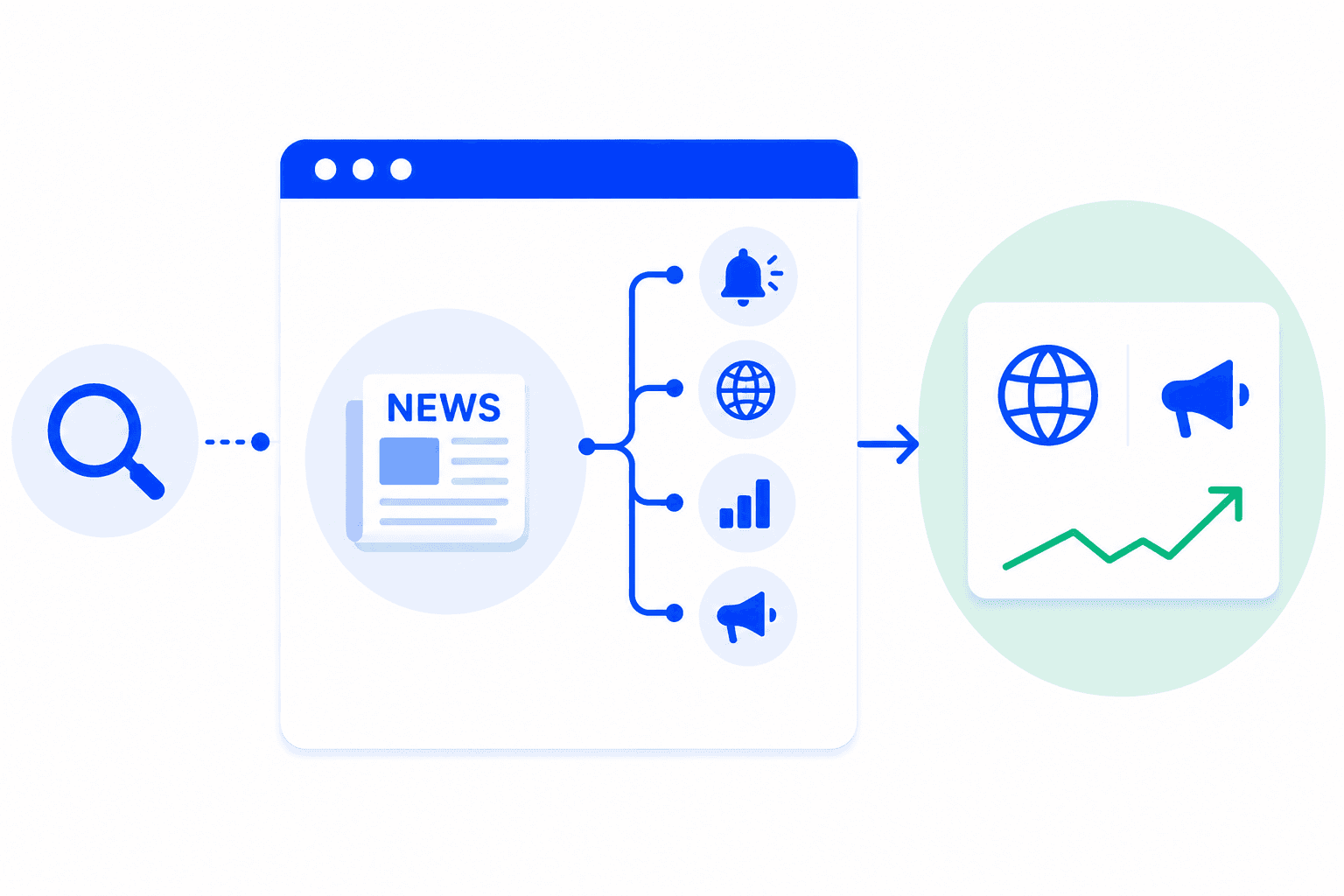
Brand monitoring is the process of tracking public online mentions, sentiment, visibility, impersonation, reviews, and competitor references. Teams use it for reputation management, brand protection, customer insight, PR reporting, and market intelligence. This page should target brand monitoring proxies, social brand monitoring, and public brand mention tracking.
Brand monitoring combines mentions, reputation, impersonation, and market visibility data.
Track public mentions across social posts, forums, comments, news, and reviews.
Monitor ratings, review text, sentiment, complaints, and recurring feedback themes.
Find fake profiles, unauthorized sellers, copied content, and brand misuse.
Compare brand presence, search results, and social content across locations.
Brand monitoring often requires collecting public content from many platforms, markets, and search surfaces. A single server IP can limit visibility, especially when content changes by location or platform context. Proxies let monitoring tools view public brand signals from different regions and run recurring checks at scale.
See how brand content, profiles, and search results appear in target markets.
Collect social, forum, review, marketplace, and search signals in parallel.
Monitor impersonation, unauthorized use, fake profiles, and suspicious listings.
Refresh brand monitoring datasets on daily or campaign-based schedules.
Social posts, search pages, forums, reviews, marketplaces, and profiles.
Residential proxies collect public brand signals from selected markets.
Mentions, sentiment, impersonation signals, competitors, and visibility.
Brand monitoring needs broad coverage, regional visibility, and stable recurring checks.
Residential proxies are the best general choice for brand monitoring because they provide broad coverage across websites, search surfaces, and social platforms.
Use them to collect public mentions, reviews, regional brand views, and protection signals across many sources.
Best for mobile-first social platforms and app-like public content views.
Best forBest for city-level checks, sensitive platforms, and premium brand protection workflows.
Best forUseful for open pages, low-risk sources, and fast public mention collection.
Best forThe best proxies for social media management are usually residential or mobile proxies because social platforms are sensitive to datacenter IPs and unusual access patterns. Residential proxies are useful for stable regional access, while mobile proxies can help test mobile-first experiences. The right choice depends on the platform, location, and workflow type.
Social media managers use residential proxies because they provide ISP-based IP addresses that look closer to normal user access than datacenter IPs. This can help with public content checks, regional QA, and account workflows where location consistency matters. However, proxy quality is only one factor; device fingerprint, cookies, login history, and behavior also matter.
Yes. Geo-targeted proxies can help check how public social media content, profiles, ads, trends, hashtags, and localized pages appear in different countries or cities. This is useful for international brands, agencies, localization teams, and regional marketing campaigns. Location-based testing helps avoid judging every market from one local IP address.
Proxies can support legitimate social media automation tools by providing separate network routes for different workflows, QA environments, or regional checks. They do not guarantee that automation will work, and platforms may restrict suspicious behavior regardless of proxy type. Social media automation should stay compliant with platform policies and avoid spammy actions.
Mobile proxies can be useful for social media because many platforms are heavily mobile-oriented and may treat mobile network traffic differently from datacenter traffic. They are often used for mobile app testing, regional content checks, and mobile-first QA. Residential proxies can still be a better cost-effective option for many social media management tasks.
It is usually better to avoid mixing unrelated social media accounts through one shared proxy, especially when consistency and trust signals matter. A cleaner setup uses separate proxies, stable sessions, and consistent environments for important workflows. Still, account health depends on many signals beyond IP, including browser fingerprint, cookies, behavior, and platform history.
No. Proxies do not guarantee protection from social media account restrictions. Platforms evaluate many signals, including IP reputation, device fingerprint, login patterns, behavior, account age, content, and policy compliance. Proxies can help with location and network consistency, but they cannot fix risky account behavior.
For social media workflows, sticky sessions are often better than very fast rotation because accounts and sessions usually need a stable network identity. Rotating proxies can be useful for public data checks or distributed QA, but account-based workflows usually need consistency. The best setup depends on whether the task is public monitoring, localization testing, or account management.
Yes. Proxies can help collect public social media signals for brand monitoring, competitor research, regional trend checks, and public profile analysis. Geo-targeted proxies are useful when content differs by country, language, or region. The data collection process should respect platform rules and avoid accessing private or restricted content.
Use proxies to collect public brand signals across platforms, regions, search surfaces, reviews, and recurring reputation reports.
Social media proxies are used for legitimate social media workflows such as regional content checks, public profile research, brand monitoring, account access consistency, and QA testing of social media tools. They help teams view public content from different locations and reduce issues caused by using the same IP for every workflow. They should be used responsibly and within each platform's rules.