
 Sign up
Regions
Geo redirects and local pages
Check whether users land on the correct regional site, language, currency, cookie banner, or legal page.
Test websites and applications from the locations, networks, and session states your users actually experience.
QA teams need to know how a product behaves across countries, devices, accounts, redirects, language settings, and network conditions. Proxies help testing workflows reproduce regional experiences, isolate sessions, and validate production behavior before customers find the issue.
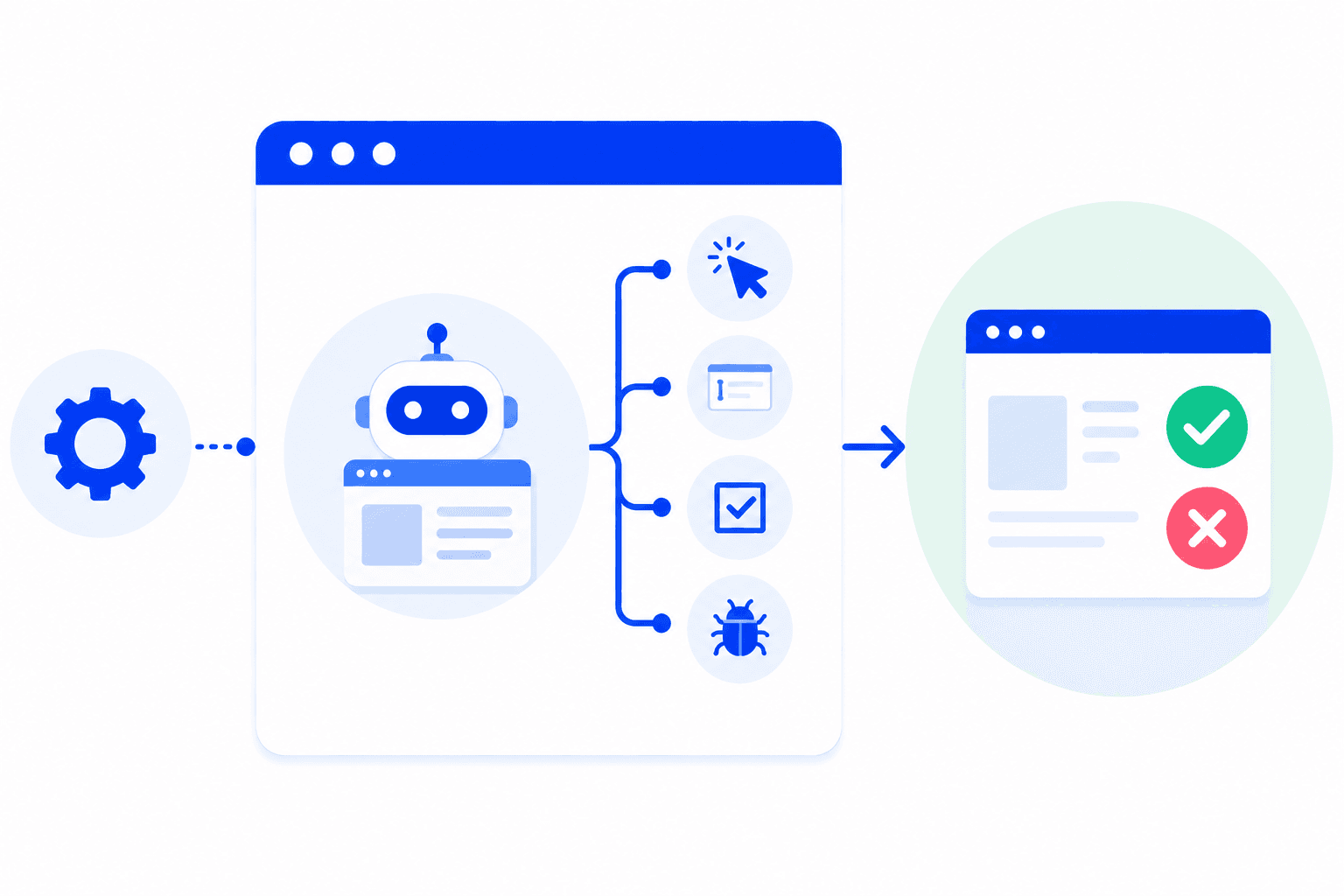
Proxy-based QA testing uses controlled IP routes during manual or automated testing to verify how websites, apps, landing pages, checkout flows, and account experiences behave for users in different markets. Instead of testing only from a developer office, VPN, or cloud server, QA teams can run checks through residential, mobile, datacenter, or static IP proxies and compare what each user segment sees.
Proxy-based QA is especially useful when page behavior changes by country, network, account, or session.
Check whether users land on the correct regional site, language, currency, cookie banner, or legal page.
Validate multi-step flows with sticky proxy sessions so cookies and state remain consistent.
Confirm that banners, promotions, product visibility, and content rules appear correctly for each market.
Run automated browser tests through controlled proxy pools to widen coverage beyond one test IP.
Proxies give QA engineers a practical way to reproduce location-dependent behavior, separate test accounts, and run regression tests from multiple IP contexts. They also help teams test production environments without changing application code or relying only on internal test flags.
Verify regional behavior from the countries and cities where users access the product.
Use sticky IPs for long browser flows that require cookies, carts, authentication, or stateful journeys.
Assign separate proxies to parallel test workers so runs do not contaminate each other.
Test real public behavior for redirects, localization, ad tags, pricing, and content delivery.
Define markets, flows, and test accounts.
Select residential, mobile, datacenter, or static IP proxies.
Attach proxies to manual browsers or automated test runners.
Compare screenshots, redirects, response behavior, and pass or fail results.
Most QA teams use a mix of fast datacenter routes and higher-trust residential or mobile routes.
Residential proxies are the best default for geo QA because they show how real household users experience location-based content, redirects, and personalization.
Useful for fast regression tests, internal environments, and high-volume QA checks with predictable performance.
Best forBest for mobile web QA, carrier-like behavior, app landing pages, and mobile-first product experiences.
Best forGood for allowlisted staging systems, persistent test accounts, and repeatable end-to-end tests.
Best forBrowser automation proxies are proxies used with automated browsers, headless browsers, QA tools, and testing frameworks such as Puppeteer, Playwright, Selenium, and anti-detect browser environments. They route browser traffic through different IP addresses and locations. This helps test websites, workflows, and localized user experiences more realistically.
Automated browsers need proxies when they must test from different locations, avoid relying on one IP address, or run parallel sessions with separate network identities. Without proxies, many browser automation tasks come from the same source IP, which can cause rate limits or inaccurate regional results. Proxies are especially useful for QA testing, web scraping, and localization checks.
The best proxies for Puppeteer and Playwright depend on the target website and test type. Residential proxies are usually better for protected websites and location-sensitive tests, while datacenter proxies can work for simple QA or high-speed internal checks. Sticky sessions are useful when a browser flow needs cookies, login state, or multi-step navigation.
Yes. Proxies can be used with Selenium to test websites from different IP addresses, countries, cities, or network types. This is useful for localization testing, form testing, pricing checks, search result validation, and regional QA. The proxy setup should match the browser profile, session length, and test scenario.
Rotating proxies are good for browser automation when each test or browsing session can use a separate IP address. However, very fast rotation can break flows that rely on cookies, authentication, carts, or multi-step navigation. For browser automation with session logic, sticky residential proxies are often more stable than per-request rotation.
For headless browsers, the best proxy settings depend on whether the task is crawling, testing, or account-based navigation. Large crawling jobs often use rotating proxies, while login flows and checkout tests usually need sticky sessions. Browser fingerprint, headers, cookies, viewport, and JavaScript behavior should also match the test goal.
Yes. Proxies help QA teams test websites from different regions, verify localized content, check redirects, compare prices, test forms, and validate user flows. They also help find bugs that only appear in specific countries or network conditions. This makes proxies useful for web QA, localization QA, and browser automation testing.
Yes. Proxies are useful for parallel browser sessions because each session can run through a separate IP address or location. This helps isolate tests, reduce cross-session interference, and simulate users from different markets. For stable results, each session should use consistent proxy, cookie, and browser profile settings.
No. Proxies do not make browser automation undetectable. Websites can also evaluate browser fingerprint, automation signals, JavaScript behavior, timing, cookies, headers, and user interaction patterns. Proxies help with the network layer, but reliable automation also requires clean browser configuration and realistic behavior.
Choose residential proxies for protected websites, location-sensitive workflows, and realistic regional testing. Choose datacenter proxies for simple, high-speed QA on less protected websites. Use sticky sessions for logins and multi-step flows, and rotating proxies for large-scale crawling or independent browser sessions.
Use Proxxxymiron proxies to validate user flows, regional behavior, and automated tests before production issues reach customers.